Veneiden, alusten ja kelluvien rakenteiden rakentaminen: käytännön opas
Millaisia aluksia on olemassa, mihin kukin sopii, mikä runkomateriaali kannattaa valita ja mikä lopulta ratkaisee uudisrakennuksen hinnan.
Alus ei koskaan ole pelkkä "vene". Kalankasvattamo tarvitsee vakaan työskentelyalustan, joka jaksaa nostaa raskaita verkkoja myös kovassa säässä. Urakoitsija tarvitsee proomun, joka vie kaivinkoneen saareen ilman laituria. Yksityinen omistaja voi haluta kelluvan saunan, joka näyttää hyvältä vuonon rannassa ja läpäisee kunnan hyväksynnän. Jokainen näistä on oma tekninen tehtävänsä, jolla on omat sääntönsä, materiaalinsa ja budjettinsa.
Tähän oppaaseen on koottu olennainen yhteen paikkaan. Ensin käydään läpi alustyypit ja runkomateriaalit, sitten omat osionsa saavat yleisimmät hankkeet: työveneet, vesiviljelyn alukset, proomut ja ponttonit sekä kelluvat rakennukset. Sen jälkeen tarkastellaan voimansiirtoa, kustannustekijöitä ja sitä, miten rakennushanke tavallisesti etenee. Lopusta löydät, miten otat meihin yhteyttä konsultaatiota ja oman hankkeesi kustannusarviota varten.
Alustyypit: kokonaiskuva

Kaupalliset ja yksityiset alukset jakautuvat muutamaan laajaan perheeseen. Kunkin perheen sisällä koko, rungon muoto ja varustus vaihtelevat valtavasti, mutta perustarkoitus määrittää suurimman osan suunnitteluratkaisuista.
Tärkeimmät alusperheet
Työveneet
Monikäyttöiset alukset ihmisten, lastin ja kaluston kuljettamiseen. Yleensä 8–20 metriä, varustettuna nosturilla, avokannella ja kestävillä lepuuttajilla. Rannikkotyön selkäranka.
Maihinnousualukset
Tasapohjaisia veneitä, joissa on keularamppi. Ne rantautuvat suoraan rantaan ja ajavat ajoneuvot tai koneet maihin ja takaisin. Ihanteellisia siellä, missä laituria ei ole.
Vesiviljelyn huoltoalukset
Rakennettu kalankasvattamoille: verkkojen käsittely, ankkurointityöt, rehun ja kaluston kuljetus sekä puhdistus. Leveät, vakaat rungot ja voimakkaat kansinosturit.
Rehulautat
Kelluvia rehuasemia, jotka on ankkuroitu kasvattamolle. Ne varastoivat rehun, pyörittävät ruokintajärjestelmää ja sisältävät usein valvomon, generaattorit ja miehistötilat.
Proomut ja lastiproomut
Yksinkertaisia, suuritilavuuksisia runkoja irtolastille, rakennusmateriaaleille tai kelluvaksi alustaksi nostureille ja paalutuskalustolle. Usein ilman omaa koneistoa.
Ponttonit ja kelluvat laiturit
Moduulirakenteisia kelluvia alustoja venesatamiin, yksityisiin laitureihin, teollisuuden kulkuyhteyksiin ja väliaikaisiin työmaihin. Betonia, terästä, alumiinia tai muovikellukkeita.
Kelluvat rakennukset
Asuntolaivoja, kelluvia toimistoja, kahviloita ja saunoja. Rakennus ponttonirungon päällä, suunniteltu mukavuus edellä eikä nopeutta varten, yleensä pysyvästi kiinnitetty.
Miehistönkuljetus- ja luotsiveneet
Nopeita, merikelpoisia aluksia, jotka vievät teknikot, luotsit tai tarkastajat laivoihin, lauttoihin ja merituulivoimaloihin avovedellä.
Hinaajat ja työntöhinaajat
Kompakteja, hyvin tehokkaita aluksia proomujen hinaamiseen ja työntämiseen, isompien laivojen avustamiseen ja kelluvien rakenteiden siirtämiseen paikoilleen.
Matkustajaveneet ja pienlautat
Aluksia reitti- tai tilausliikenteen matkustajakuljetukseen. Tiukat turvallisuus- ja vakavuusvaatimukset, mukavat hytit, nykyisin usein sähkö- tai hybridikäyttöisiä.
Runkomateriaalit: alumiini, teräs, komposiitti vai muovi
Runkomateriaali ratkaisee painon, lujuuden, huollon, käyttöiän ja suuren osan hinnasta. Yleispätevästi parasta materiaalia ei ole, on vain oikea materiaali tiettyyn kokoon, työmäärään ja toiminta-alueeseen.
Alumiini
Kevyt, korroosionkestävä, monissa tapauksissa ei vaadi maalia vesirajan alapuolella. Pienempi paino tarkoittaa vähemmän polttoainetta tai pienempää akustoa. Vakiovalinta työveneisiin, miehistönkuljetusaluksiin ja nopeisiin veneisiin. Hitsaus ja korjaus ovat kalliimpia kuin teräksellä.
Teräs
Luja, sitkeä ja kilohinnaltaan suhteellisen edullinen. Kestää kovaa kosketusta jään, laiturien ja lastin kanssa. Valinta proomuihin, hinaajiin, rehulauttoihin ja suurempiin aluksiin. Painava ja vaatii säännöllistä korroosiosuojausta.
Komposiitti (lasikuitu, GRP)
Lasikuituvahvisteinen muovi. Helppo muotoilla sileiksi ja tehokkaiksi rungoiksi, vähän huoltoa, hyvä eristävyys. Yleinen huviveneissä, matkustajaveneissä ja pienemmissä sarjatuotantotyöveneissä.
Polyeteeni (PE)
Paksuja muovirunkoja, jotka eivät käytännössä ruostu eivätkä lahoa ja kestävät kovia kolhuja. Suosittuja kalankasvattamoiden ympärillä ja pienissä, karuissa työveneissä. Rajoittuneita koon ja huippunopeuden osalta.
| Ominaisuus | Alumiini | Teräs | Komposiitti | Polyeteeni |
|---|---|---|---|---|
| Paino | Pieni | Suuri | Pieni | Keskitasoa |
| Iskunkestävyys | Hyvä | Erittäin hyvä | Kohtalainen | Erittäin hyvä |
| Korroosio | Pieni riski | Vaatii suojauksen | Ei lainkaan | Ei lainkaan |
| Huolto | Vähäinen | Säännöllinen | Vähäinen | Hyvin vähäinen |
| Korjaus paikan päällä | Erikoishitsausta | Helppoa | Erikoisosaamista | Muovihitsausta |
| Tyypillinen käyttö | Työveneet, CTV-alukset | Proomut, hinaajat | Matkustaja- ja huviveneet | Vesiviljely, pienveneet |
Missä aluksia käytetään
Lähes jokainen rannikon toimiala on riippuvainen aluksista. Alla tärkeimmät osa-alueet ja niitä yleensä palvelevat alustyypit.
- Vesiviljely: huoltoalukset, rehulautat, maihinnousualukset, pienet PE-veneet päivittäisille tarkastuskierroksille.
- Rakentaminen ja infratyöt: proomut, nosturiponttonit, maihinnousualukset ja hinaajat silta-, laituri- ja putkihankkeisiin.
- Offshore-energia ja tuulivoima: miehistönkuljetusalukset, huoltoveneet, tutkimusalukset.
- Kuljetukset saariin: maihinnousualukset, pienlautat, vesitaksit, rahtityöveneet.
- Satamat: hinaajat, luotsiveneet, ponttonit, öljyntorjuntaveneet.
- Matkailu ja ravintola-ala: matkustajaveneet, kelluvat saunat, kahvilat, tapahtuma-alustat ja vuonoristeilyalukset.
- Asuminen ja yksityiskäyttö: asuntolaivat, kelluvat mökit, yksityiset laiturit ja ponttoneilla olevat venevajat.
- Julkiset palvelut: pelastus-, poliisi-, tulli- ja ympäristövalvonta-alukset.
Miten valita työvene

Työvene on rannikon monikäyttöisin alus, ja juuri siksi on helppo tilata väärä. Vene, joka on täydellinen matkustajien kuljettamiseen, voi olla käyttökelvoton nosturityöhön, ja raskas nosturivene voi olla hidas ja kallis pitkillä siirtymillä. Lähde liikkeelle työtehtävästä, älä esitteestä.
Mitä kannattaa huomioida
- Selkeä päätehtävä: määrittele, mitä vene tekee 80 % ajasta: lastinkuljetusta, nostotöitä, hinausta, matkustajia vai kartoitusta.
- Kansipinta-ala ja kantavuus: mittaa suurin kuljetettava kappale ja lisää marginaali. Kansitilaa on jälkikäteen lähes mahdoton lisätä.
- Nosturin kapasiteetti ja ulottuma: nostokyky pienenee ulottuman kasvaessa. Mitoita nosturi raskaimman noston mukaan sillä etäisyydellä, jota todella tarvitset.
- Merikelpoisuus omalla alueellasi: suojaisa vuonotyö ja avoin rannikko vaativat hyvin erilaisen runkomuodon ja varalaidan.
- Ylimitoitetut koneet "varmuuden vuoksi": ylimääräinen teho nostaa hankintahintaa, polttoaineenkulutusta ja päästöjä auttamatta hidasta työvenettä.
- Käytetyn veneen suunnittelun sokea kopiointi: vanhempi malli ei välttämättä täytä nykyisiä määräyksiä tai vastaa sinun käyttöprofiiliasi.
Yleisimmät työvenekokoonpanot
Avokansi ja kansinosturi
Joustavin ratkaisu. Ohjaamo edessä, suuri kansi perässä, nivelpuominosturi. Sopii lastille, ankkurointitöihin ja kalustolle. Rannikkourakoitsijan oletusvalinta.
Maihinnousualus keularampilla
Ajoneuvojen ja koneiden siirtämiseen paikkoihin, joissa ei ole laituria. Tasainen pohja, ramppi edessä, ohjaamo perässä. Epämukavampi aallokossa, ylivoimainen rantautumisessa.
Katamaraanityövene
Kaksi runkoa antavat leveän, hyvin vakaan kannen ja hyvän nopeuden. Suosittu vesiviljelyssä ja miehistönkuljetuksessa. Kalliimpi rakentaa ja vaatii leveämmät laituripaikat.
Työntö- ja hinausvene
Kompakti runko, maksimaalinen työntövoima, vahva hinauspiste. Käytetään yhdessä proomujen ja ponttonien kanssa, joilla ei ole omaa koneistoa.
Kartoitus- ja tarkastusvene
Pienempi, hiljaisempi ja polttoainetaloudellisempi, tilaa antureille, moon pool -kuilulle tai ROV-laitteiden käsittelylle. Kartoitukseen, sukellustukeen ja tarkastuksiin.
Käytännön vinkkejä
- Kirjaa ylös kolme vaativinta työtehtävääsi ja anna niiden määrittää vähimmäisvaatimukset.
- Tarkista käyttämiesi satamien laituripituus, syväysrajoitukset ja slipin koko ennen kuin lyöt mitat lukkoon.
- Suunnittele työkansi yhdessä niiden kanssa, jotka sitä käyttävät: kiinnityspisteet, kaiteet, valaistus ja vedenpoisto merkitsevät joka päivä.
- Selvitä ajoissa, mitkä säännöt koskevat aluksesi pituutta ja käyttöä. Vaatimukset vaikuttavat pohjaratkaisuun, turvavarusteisiin ja hintaan.
- Mieti jälleenmyyntiarvoa: hyvin dokumentoitu ja tavanomaisesti toteutettu työvene säilyttää arvonsa paremmin kuin pitkälle erikoistunut.
Risteilyalukset ja kasinoristeilijät
Risteilyalus on kaikista tämän oppaan aluksista monimutkaisin. Se on samaan aikaan laiva, hotelli, ravintolakeskus, teatteri ja usein myös kasino. Yksi runko yhdistää kaikki nämä toiminnot ja niiden hyvin erilaiset vaatimukset: hotelliosaston on oltava viihtyisä ja hiljainen, koneiston tehokas ja luotettava, palo-osastoinnin ehdoton ja viihdealueiden, kasino mukaan lukien, kaupallisesti kannattavia. Tässä osiossa käydään läpi, miten tällaisia aluksia rakennetaan, miten niiden henkilöstö valitaan, mitä lainsäädäntöä sovelletaan, missä ne liikennöivät ja millaiset säännöt aluksella ja sen kasinolla ovat voimassa.
Aihe on olennainen myös pienempien hankkeiden kannalta. Risteilyaluksissa ratkaistaan ensimmäisenä monia asioita, jotka valuvat myöhemmin lauttoihin, matkustajaveneisiin ja kelluviin rakennuksiin: paloturvallisuuden periaatteet, esteettömyys, melun- ja tärinänhallinta, jätevesien käsittely ja vähäpäästöinen voimansiirto. Kasinon kaltainen kaupallinen tila on hyvä esimerkki siitä, miten yksi huone voi asettaa vaatimuksia ilmanvaihdolle, sähkönsyötölle, valvonnalle ja rakenteille kautta koko aluksen.
Risteilyalusten päätyypit
Suuret valtamerialukset
3 000–7 000 matkustajaa, pituus yli 300 metriä. Useita ravintoloita, teatteri, vesipuisto ja lähes poikkeuksetta oma kasino. Liikennöivät vakioreiteillä Karibialla ja Välimerellä.
Premium- ja luksusalukset
500–2 500 matkustajaa. Väljemmät tilat, korkeampi palvelutaso ja hillitympi viihdetarjonta. Kasino on pieni ja tyylikäs, usein vain muutama pelipöytä ja rajattu määrä automaatteja.
Retki- ja expedition-alukset
100–300 matkustajaa, jäävahvistettu runko, zodiac-veneet. Kohteina arktiset ja antarktiset alueet. Kasinoa ei yleensä ole lainkaan, koska matkustajaprofiili ja reitti eivät sitä tue.
Risteilylautat
Itämeren ja Pohjanmeren yöreitit, joissa yhdistyvät matkustajaliikenne, rahti ja elämyspalvelut. Kasino ja tax-free-myymälä ovat keskeinen osa ansaintamallia.
Kasinoristeilijät
Alukset, joiden koko liiketoimintamalli rakentuu pelaamisen ympärille. Lyhyet lähtöreitit satamasta kansainvälisille vesille ja takaisin, suuri kasino suhteessa alukseen, kevyempi hotelliosasto.
Jokiristeilijät
100–200 matkustajaa, matala syväys ja madallettava ohjaamo. Liikennöivät sisävesillä, joten rantavaltion lainsäädäntö koskee niitä kokonaan eikä kasinoa käytännössä voi pitää auki.
Miten risteilyalus rakennetaan
Risteilyaluksen rakentaminen on lohkorakentamista: runko syntyy kymmenistä esivalmistetuista lohkoista, jotka hitsataan yhteen rakennusaltaassa. Hyttimoduulit valmistetaan tehtaalla valmiiksi kalustettuina ja nostetaan alukseen kansien läpi ennen kuin kansirakenteet suljetaan. Suuret yleiset tilat, kuten teatteri, pääravintola ja kasino, jäävät rungon keskiosaan alueille, joissa liike ja tärinä ovat pienimmillään. Suomessa tätä osaamista on erityisesti Turussa ja Raumalla, ja pohjoismaiset telakat ovat pitkään olleet mukana juuri matkustaja-alusten rakentamisessa.
Konsepti ja liiketoimintamalli
Varustamo määrittelee matkustajamäärän, reitit, hintatason ja sen, mistä aluksen tuotot tulevat. Jo tässä vaiheessa päätetään, tuleeko alukseen kasino ja kuinka suuri sen osuus laivan tuloista on. Päätös vaikuttaa kansijärjestelyyn koko loppuhankkeen ajan.
Yleisjärjestely ja päämitat
Pituus, leveys, syväys ja kansien määrä lyödään lukkoon. Samalla sijoitetaan pääpalovyöhykkeet, poistumistiet ja yleisten tilojen ketju: teatteri, baarit, kauppakäytävä ja kasino suunnitellaan yhtenäiseksi kulkureitiksi, jota matkustaja seuraa luontevasti illan aikana.
Vakavuus- ja lujuuslaskelmat
Korkea rakennelma ja suuret avoimet tilat asettavat vaativat ehdot vakavuudelle ja rungon lujuudelle. Laskelmat tarkastetaan luokituslaitoksessa, ja niihin vaikuttavat myös raskaat sisustusrakenteet ja kasinon kiinteät kalusteet.
Järjestelmäsuunnittelu
Sähkö, ilmanvaihto, vesi, jätevesi, palontorjunta ja tietoliikenne mitoitetaan tila kerrallaan. Kasino on tässä oma erityistapauksensa: se tarvitsee katkeamattoman sähkönsyötön, oman ilmanvaihtonsa ja erillisen kaapeloinnin valvontajärjestelmille.
Lohkojen valmistus ja kokoonpano
Lohkot valmistetaan halleissa, varustellaan mahdollisimman pitkälle ja nostetaan altaassa paikoilleen. Mitä enemmän työtä tehdään ennen nostoa, sitä lyhyempi ja edullisempi rakennusaika on.
Sisustus ja varustelu
Viimeinen ja työvoimavaltaisin vaihe. Hytit, ravintolat, teatteritekniikka ja kasinon kalusteet asennetaan rinnakkain tiukassa aikataulussa. Pelipöydät, automaatit ja kassajärjestelmät tulevat yleensä erikoistoimittajilta avaimet käteen -toimituksena.
Koeajot ja luovutus
Merikokeissa mitataan nopeus, ohjailukyky, melu ja tärinä sekä koekäytetään turvallisuusjärjestelmät. Hotelli- ja viihdeosastot, kasino mukaan lukien, testataan omilla harjoituksillaan ennen ensimmäistä maksavaa matkustajaa.
Kasino osana aluksen suunnittelua
Laivakasino ei ole huone, joka voidaan lisätä jälkikäteen. Se vaikuttaa rakenteisiin, järjestelmiin ja turvallisuusratkaisuihin, ja siksi se suunnitellaan mukaan heti yleisjärjestelyvaiheessa. Tyypillisesti kasino sijoitetaan keskilaivaan promenadikannelle, ilman ikkunoita, teatterin ja baarien väliin, jotta ohikulkevat matkustajat löytävät sen luontevasti.
- Sijainti rungossa: keskilaivassa liike on pienintä, mikä on tärkeää pelipöytien ja pitkään paikallaan istuvien asiakkaiden kannalta.
- Sähkönsyöttö: pelijärjestelmät, kassa ja valvonta vaativat varmennetun syötön, jotta sähkökatko ei keskeytä käynnissä olevaa peliä eikä hävitä tapahtumatietoja.
- Ilmanvaihto: monilla aluksilla kasino on ainoa sisätila, jossa tupakointi on sallittua, mikä edellyttää tehokasta ja muusta laivasta erotettua ilmanvaihtoa.
- Melu ja tärinä: automaattien äänimaailma ei saa kantautua viereisiin hytteihin, joten rakenteisiin tarvitaan ääneneristys ja joustavat kiinnitykset.
- Valvonta: kameravalvonta kattaa jokaisen pelipöydän ja automaatin. Tallenteet säilytetään omassa, lukitussa tilassaan.
- Rahaliikenne: kassa, laskentahuone ja kassakaappi sijoitetaan kasinon yhteyteen niin, että rahan liikkuminen tapahtuu lyhyttä ja valvottua reittiä.
- Paloturvallisuus: tila kuuluu pääpalovyöhykkeisiin, ja poistumistiet on mitoitettava täydelle asiakasmäärälle myös silloin, kun kasino on täynnä.
- Muunneltavuus: pelipöytien ja automaattien määrää muutetaan usein aluksen elinkaaren aikana, joten lattiaan tehdään valmiit kaapeli- ja kiinnityspisteet.
Miehistö ja henkilöstön valinta
Suurella risteilyaluksella työskentelee 1 000–2 000 henkeä, ja heistä vain pieni osa kuuluu varsinaiseen kansi- ja konemiehistöön. Suurin osa on hotelli-, ravintola- ja viihdehenkilöstöä. Rekrytointi hoidetaan tyypillisesti kansainvälisten miehitystoimistojen kautta, ja sopimukset ovat määräaikaisia, usein kuudesta kahdeksaan kuukauteen kerrallaan.
| Ryhmä | Tehtävät | Pätevyysvaatimukset |
|---|---|---|
| Kansiosasto | Navigointi, vahdinpito, turvallisuus | STCW-pätevyyskirjat, aluskohtainen perehdytys |
| Konetoimisto | Koneisto, sähkö, automaatio | STCW-pätevyyskirjat, järjestelmäkoulutus |
| Hotelliosasto | Hytit, ravintolat, asiakaspalvelu | Alan kokemus, kielitaito, STCW-perusturvallisuus |
| Viihde | Teatteri, musiikki, ohjelmatoiminta | Esiintymiskokemus, STCW-perusturvallisuus |
| Kasino | Pelinhoito, valvonta, kassa | Pelinhoitajakoulutus, taustan tarkastus, STCW-perusturvallisuus |
| Turvallisuus | Kulunvalvonta, järjestyksenpito | Turva-alan koulutus, ISPS-tehtäväkohtainen pätevyys |
Kasinohenkilöstö muodostaa oman, selvästi rajatun organisaationsa: kasinopäällikkö vastaa koko osastosta, pöytävalvojat seuraavat peliä, pelinhoitajat hoitavat pöydät, automaattiteknikot huolehtivat laitteista ja kassahenkilöstö rahaliikenteestä. Monilla varustamoilla kasino on ulkoistettu erikoistuneelle operaattorille, joka vastaa sekä laitteista että henkilöstöstä ja maksaa varustamolle osuuden tuotosta. Tällöin rekrytointi, koulutus ja työvuorot hoidetaan operaattorin kautta, mutta aluksen päällikkö säilyttää silti ylimmän vastuun turvallisuudesta.
- Koulutus ennen alusta: pelinhoitajat käyvät yleensä erillisen pelinhoitajakoulun, jossa harjoitellaan korttien ja pelimerkkien käsittelyä sekä pelin matematiikkaa.
- Taustan tarkastus: rahaa käsittelevältä kasinohenkilöstöltä edellytetään nuhteettomuutta, ja tausta tarkastetaan tavallista perusteellisemmin.
- Turvallisuuskoulutus: jokaisella aluksella työskentelevällä on oltava merenkulun perusturvallisuuskoulutus ja oma tehtävänsä hälytysluettelossa, myös kasinon työntekijöillä.
- Kielitaito: monikansallisella aluksella työkieli on käytännössä englanti, ja asiakaspalvelussa arvostetaan lisäksi reittialueen kieliä.
- Työaika ja lepo: merityötä koskevat lepoaikasäännöt koskevat myös hotelli- ja kasinohenkilöstöä, mikä on otettava huomioon työvuorosuunnittelussa.
- Vaihto ja logistiikka: miehistönvaihdot tehdään satamissa, ja niiden suunnittelu viisumeineen on oma hallinnollinen kokonaisuutensa.
Mitä lainsäädäntöä sovelletaan
Risteilyalukseen kohdistuu kolme sääntelykerrosta samanaikaisesti: kansainväliset merenkulun yleissopimukset, lippuvaltion oma lainsäädäntö ja niiden satamavaltioiden säännöt, joissa alus käy. Pelitoiminnassa tulee vielä neljäs kerros, eli rahapelejä ja rahanpesun torjuntaa koskeva sääntely.
| Säädös | Mitä koskee | Merkitys kasinolle |
|---|---|---|
| SOLAS | Rakenteellinen turvallisuus, palo-osastointi, pelastusvälineet | Määrittää kasinotilan rakenteet ja poistumistiet |
| MARPOL | Päästöt ja jätteet | Koskee välillisesti tilojen jätehuoltoa |
| MLC 2006 | Merityön ehdot, palkat, lepoajat, majoitus | Koskee myös kasinohenkilöstöä |
| STCW | Koulutus ja pätevyydet | Perusturvallisuuskoulutus kaikille työntekijöille |
| ISPS | Turvatoimet ja kulunvalvonta | Rahan ja pelimerkkien käsittelyn turvajärjestelyt |
| Lippuvaltion laki | Aluksen rekisteröinti ja valvonta | Ratkaisee, onko kasino sallittu ja millä ehdoin |
| Satamavaltion laki | Toiminta satamassa ja aluevesillä | Yleensä velvoittaa sulkemaan kasinon satamassa |
| Rahanpesusääntely | Asiakkaan tunteminen, ilmoitusvelvollisuus | Koskee suoraan kasinon rahaliikennettä |
Lippuvaltion valinta on keskeinen päätös. Useimmat suuret risteilyalukset on rekisteröity avoimiin rekistereihin, kuten Bahamalle, Maltalle, Panamaan tai Bermudalle. Valintaan vaikuttavat verotus, työehtojen sääntely, hallinnon sujuvuus ja se, miten lippuvaltio suhtautuu aluksella harjoitettavaan pelitoimintaan. Käytännön valvonnasta vastaavat lippuvaltion valtuuttamat luokituslaitokset sekä satamavaltiotarkastukset, joissa viranomaiset tarkastavat aluksen määräysten noudattamisen.
Milloin kasino saa olla auki
Tämä on kysymys, jota matkustajat kysyvät useimmin ja johon vastaus vaihtelee reitin mukaan. Pääsääntö on yksinkertainen: kasino avataan, kun alus on poistunut rantavaltion aluevesiltä, ja suljetaan, kun se palaa niille. Aluevesiraja on tavallisesti 12 meripeninkulmaa rannikosta, mutta yksittäiset valtiot soveltavat pelitoimintaan omia, tätä tiukempia rajoituksiaan.
- Kansainvälisillä vesillä: kasino on auki normaalisti, ja aukioloajat ilmoitetaan päiväohjelmassa.
- Selkeä tiedottaminen: aukiolo ilmoitetaan etukäteen, koska se riippuu aikataulusta eikä kellonajasta.
- Automaattinen sulkeminen: monilla aluksilla kasinon järjestelmä on kytketty aluksen paikannukseen, jolloin pelaaminen estyy automaattisesti aluevesirajan sisäpuolella.
- Satamassa: kasino pidetään kiinni lähes poikkeuksetta, ja usein pelipöydät peitetään ja automaatit kytketään pois päältä.
- Lyhyillä rannikkoreiteillä: jos alus ei poistu aluevesiltä lainkaan, kasinoa ei voida avata koko matkan aikana.
- Sisävesillä: jokiristeilijöillä pelitoiminta ei käytännössä ole mahdollista, koska alus on koko ajan rantavaltion lainkäyttövallassa.
Missä risteilyalukset liikennöivät
Risteilyliikenne seuraa säätä ja lomakausia. Alukset siirtyvät alueelta toiselle kausien välillä, ja siirtymämatkat myydään omina risteilyinään.
- Karibia: maailman suurin risteilyalue, talvikausi. Lyhyet välimatkat satamien välillä ja runsaasti merellä vietettyä aikaa, mikä sopii kasinotoiminnalle hyvin.
- Välimeri: kesäkausi, tiheä satamaverkosto. Yöpurjehdukset satamien välillä antavat kasinolle rajatun mutta säännöllisen aukioloajan.
- Itämeri: kesäkausi ja ympärivuotinen lauttaliikenne. Helsingin, Tukholman ja Tallinnan väliset yöreitit ovat oma erityistapauksensa, jossa kasino avataan aluevesien ulkopuolella.
- Norjan vuonot ja arktiset alueet: maisemapainotteisia reittejä, joilla viihdetarjonta on kevyempää ja alus kulkee paljon rannikon läheisyydessä.
- Alaska: lyhyt kesäkausi, sisäväylän reitit ja jäätikkökohteet.
- Kaakkois- ja Itä-Aasia: nopeasti kasvanut alue, jossa lyhyet risteilyt ja pelitoiminta ovat keskeinen osa tarjontaa.
- Maailmanympärimatkat: useita kuukausia kestäviä matkoja, joilla merellä vietettyjä päiviä on paljon ja aluksen omat palvelut korostuvat.
Kasinon säännöt aluksella
Laivakasinon säännöt muistuttavat maissa olevan kasinon sääntöjä, mutta merellä on muutamia omia erityispiirteitä. Säännöt kerrotaan matkustajille päiväohjelmassa ja kasinon sisäänkäynnillä.
Ikäraja
Alaikäraja on tavallisesti 18 tai 21 vuotta reitin ja lippuvaltion mukaan. Ikä tarkistetaan laivakortista, joka toimii samalla henkilöllisyystodisteena aluksella.
Käteisetön maksaminen
Pelaaminen hoidetaan yleensä laivakortilla ja siihen liitetyllä matkustajatilillä. Käteistä käytetään vähemmän, mikä helpottaa sekä valvontaa että tapahtumien jäljitettävyyttä.
Valuutta
Kasinon valuutta on yleensä euro tai dollari reittialueesta riippuen, ja se ilmoitetaan etukäteen. Valuutta on sama koko aluksella, jotta matkustajatili pysyy selkeänä.
Pukeutuminen ja käytös
Useimmiten riittää siisti vapaa-ajan asu. Muiden pelaajien häiritseminen, kuvaaminen ja päihtyneenä pelaaminen ovat kiellettyjä.
Kuvaaminen kielletty
Valokuvaus ja videointi on kasinossa lähes aina kielletty sekä muiden asiakkaiden yksityisyyden että pelivalvonnan vuoksi.
Henkilökunnan pelikielto
Miehistö ei saa pelata oman aluksensa kasinossa. Kielto koskee koko henkilöstöä eikä vain kasinon työntekijöitä.
Voittojen maksaminen
Pienet voitot maksetaan kassalta, suuremmista tehdään kirjaus matkustajatilille ja tarvittaessa viranomaisilmoitus lippuvaltion sääntöjen mukaan.
Turvallisuus menee edelle
Hälytyksen, pelastusharjoituksen tai poikkeuksellisen sään sattuessa kasino suljetaan välittömästi. Aluksen päällikön määräys ohittaa aina kaupallisen toiminnan.
Vastuullinen pelaaminen ja rahanpesun torjunta
Pelitoiminta suljetussa ympäristössä keskellä merta asettaa varustamolle erityisen vastuun. Matkustaja ei voi poistua paikalta, joten vastuullisen pelaamisen käytännöt ovat aluksella vähintään yhtä tärkeitä kuin maissa. Käytännössä tämä tarkoittaa itserajoituksia, mahdollisuutta sulkea oma pääsy kasinoon koko matkan ajaksi, henkilökunnan koulutusta tunnistamaan ongelmapelaaminen ja selkeää tiedottamista siitä, mistä apua saa.
Rahanpesun torjunta on toinen keskeinen velvoite. Kasino on rahaa käsittelevä toimija, joten siihen sovelletaan asiakkaan tuntemisvelvollisuutta, tapahtumien seurantaa ja epäilyttävien liiketoimien ilmoitusvelvollisuutta. Suuret käteistapahtumat kirjataan, pelimerkkien vaihto suuriksi summiksi ilman vastaavaa pelaamista herättää huomiota, ja kasinon kirjanpito tarkastetaan säännöllisesti. Käteisettömään maksamiseen siirtyminen on tehty osittain juuri tästä syystä.
Käytännön vinkkejä varustamolle
- Päätä kasinon rooli liiketoimintamallissa ennen yleisjärjestelyn lukitsemista, koska sijainti ja koko eivät ole myöhemmin edullisesti muutettavissa.
- Tarkista reittisuunnitelma pelitoiminnan kannalta: jos alus viettää vähän aikaa aluevesien ulkopuolella, kasinon tuottopotentiaali jää pieneksi.
- Selvitä lippuvaltion ja tärkeimpien satamavaltioiden vaatimukset jo suunnitteluvaiheessa, ei vasta luovutuksen jälkeen.
- Mitoita ilmanvaihto ja ääneneristys yläkanttiin, jos kasinossa sallitaan tupakointi tai se sijaitsee hyttien läheisyydessä.
- Varaa lattiaan ja kattoon valmiudet laitemuutoksille, jotta pelipöytien ja automaattien suhdetta voi muuttaa ilman rakennemuutoksia.
- Sovi kasino-operaattorin kanssa selkeästi vastuunjako turvallisuudesta, henkilöstöstä ja laitteiden huollosta jo sopimusvaiheessa.
Kysymyksiä risteilyaluksista
Kuinka kauan risteilyaluksen rakentaminen kestää?
Suuren valtamerialuksen rakentaminen kestää telakalla tyypillisesti kahdesta kolmeen vuotta, ja sitä edeltää vielä yhdestä kahteen vuotta suunnittelua ja sopimusneuvotteluja. Pienemmät retkialukset valmistuvat selvästi nopeammin.
Miksi kasino on melkein aina ilman ikkunoita?
Syitä on kaksi. Ikkunaton keskilaivan tila on rakenteellisesti arvokasta pinta-alaa, jota ei kannata käyttää hytteihin, ja pelaajien kokemus pysyy tasaisena riippumatta vuorokaudenajasta tai säästä.
Voiko kasinon lisätä olemassa olevaan alukseen?
Voi, ja sitä tehdään säännöllisesti peruskorjausten yhteydessä. Rajoitteina ovat vapaan tilan löytyminen, sähkönsyötön ja ilmanvaihdon riittävyys sekä paloturvallisuusvaatimusten täyttäminen muutetussa tilassa.
Kuka valvoo laivakasinon rehellisyyttä?
Ensisijaisesti lippuvaltion viranomainen ja varustamon oma sisäinen valvonta. Käytännön työkaluja ovat kattava kameravalvonta, laitteiden sinetöinti ja säännölliset tarkastukset sekä kasinon kirjanpidon auditointi.
Kannattaako pieneen matkustaja-alukseen suunnitella kasino?
Harvoin. Kasino vaatii vähimmäismäärän asiakkaita, valvontajärjestelmät ja koulutetun henkilöstön, eikä se pienellä matkustajamäärällä ja lyhyillä reiteillä yleensä kata kustannuksiaan.
Miten valita alus vesiviljelyyn
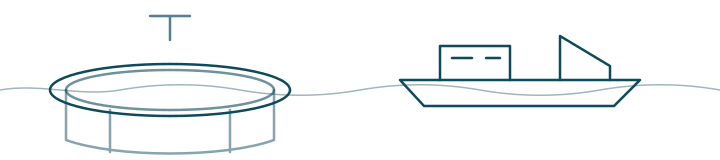
Kalankasvatus on yksi vaativimmista toimintaympäristöistä pienelle alukselle: päivittäistä työtä kaikkina vuodenaikoina, raskaita nostoja laidan yli, jatkuvaa kosketusta altaisiin ja ankkurointeihin sekä tuulen ja aallokon armoilla oloa ulommilla paikoilla. Vakavuus ja kansivarustus merkitsevät enemmän kuin nopeus.
Mitä kannattaa huomioida
- Vakavuus sivunostoissa: aluksen on pysyttävä turvallisena, kun nosturi nostaa verkkoja tai ankkureita kaukana laidan ulkopuolella.
- Kohteeseen mitoitetut vinssit ja nosturit: altaan koko, ankkuroinnin mitat ja veden syvyys määrittävät tarvittavan kapasiteetin.
- Kestävät lepuuttajat ja runko: vene koskettaa altaita, rehulauttoja ja muita aluksia monta kertaa päivässä.
- Hyvä työvalaistus ja näkyvyys: suuri osa vuodesta työ tehdään pimeässä.
- Liukuvat rungot raskaaseen työhön: nopeat rungot menettävät vakavuutta ja tehokkuutta kuormattuina ja hitaassa työskentelyssä.
- Miehistötilojen aliarviointi: lämmitys, ruokailutila ja wc aluksella pitävät miehistön työkykyisenä pitkinä talvipäivinä.
Tyypilliset vesiviljelyn alukset
Huoltokatamaraani
Leveä, vakaa kansi nostureineen ja vinsseineen verkonvaihtoihin, ankkurointitöihin ja raskaaseen kalustoon. Suurempien kasvattamoiden työjuhta.
Rehulautta
Ankkuroitu kohteeseen, varastoi rehun ja pyörittää ruokintajärjestelmää. Teräs- tai betonirunko, generaattorit, valvomo ja miehistötilat.
Maihinnousualus
Kuljettaa koneita, kontteja ja materiaaleja tukikohdan ja kohteen välillä. Hyödyllinen kasvattamoille, jotka ovat kaukana kunnollisesta laiturista.
Pieni PE- tai alumiinivene
Päivittäisiin tarkastuksiin, pieniin korjauksiin ja henkilökunnan kuljetukseen altaiden välillä. Halpa käyttää ja lähes tuhoutumaton.
Käytännön vinkkejä
- Kartoita kohteidesi avoimuus: suojaisiin paikkoihin tarkoitettu alus voi olla kevyempi ja edullisempi kuin avomerikasvattamon alus.
- Vakioi kalusto koko laivastossa, jotta miehistöt ja varaosat voivat siirtyä alusten välillä.
- Harkitse hybridi- tai sähkökäyttöä: lyhyet siirtymät ja pitkät joutokäyntijaksot altaiden lähellä sopivat akuille hyvin.
- Jätä tilaa ja tehoa tulevalle kalustolle, kuten puhdistusjärjestelmille tai antureille.
Miten valita proomu tai ponttoni

Proomut ja ponttonit näyttävät yksinkertaisilta, mutta ne kantavat vesillä joitakin raskaimmista ja arvokkaimmista kuormista: nostureita, koneita, rakennusmateriaaleja, toisinaan kokonaisia rakennuksia. Mittojen, kelluvuuden ja kannen lujuuden oikea mitoitus on välttämätöntä.
Mitä kannattaa huomioida
- Kansikuorma neliömetriä kohti: merkitystä ei ole vain kokonaiskantavuudella, vaan myös nosturin tukijalkojen ja tela-alustaisten koneiden pistekuormilla.
- Varalaita kuormattuna: riittävä korkeus vedenpinnan yläpuolella, jotta alus pysyy turvallisena aallokossa ja ohittavien laivojen aallokossa.
- Kuljetus ja kokoonpano: rekkaan mahtuvat moduuliponttonit voidaan siirtää kohteesta toiseen; suuret rungot voivat vaatia hinausta.
- Kiinnitys ja ankkurointi: tukijalat, ankkurit tai kiinteät kiinnitykset riippuvat syvyydestä, pohjan laadusta ja siitä, kuinka kauan proomu pysyy paikallaan.
- Kuljetusproomun käyttö nosturialustana ilman laskelmia: nosturityö synnyttää kallistusmomentteja, jotka vaativat erilliset vakavuustarkastelut.
- Korroosion ja jään unohtaminen: teräsponttonit vaativat suojauksen, ja jää voi vaurioittaa kevyitä kellukkeita.
Yleisimmät tyypit
Tasakantinen lastiproomu
Teräsrunko ja luja avokansi. Kuljettaa materiaaleja, kontteja ja koneita työveneen työntämänä tai hinaamana.
Nosturiponttoni
Proomu, joka on suunniteltu vakaaksi alustaksi nosturille tai kaivinkoneelle, usein tukijaloilla, jotka pitävät sen paikallaan työn aikana.
Moduuliponttonijärjestelmä
Yhteen pultattavia osia teräksestä, alumiinista tai muovista. Joustava koko, helppo kuljettaa, uudelleenkäytettävä uusissa hankkeissa.
Venesatama- ja laituriponttonit
Betoni- tai alumiinikellukkeita kansirakenteineen venepaikoille, kulkuväylille ja yksityisiin laitureihin. Suunniteltu mukavuutta ja pitkää käyttöikää ajatellen.
Kelluva telakka
Voidaan upottaa osittain veneiden nostamiseksi vedestä huoltoa varten. Erikoisratkaisu telakoille ja suuremmille venesatamille.
Käytännön vinkkejä
- Listaa kaikki kuormat, joita proomu kantaa, mukaan lukien raskain kone ja huonoin yhdistelmä, ennen kuin valitset koon.
- Selvitä, miten proomu saadaan kohteeseen: maantiekuljetuksen rajoitukset, hinausmatka ja sääikkunat.
- Pitkäaikaisissa asennuksissa suunnittele tarkastus- ja huoltopääsy alusta alkaen.
- Jos ponttoni tulee yleiseen käyttöön, odota tiukempia vaatimuksia kaiteille, valaistukselle ja pelastusvälineille.
Miten suunnitella kelluva rakennus
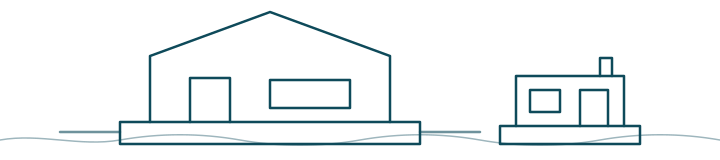
Kelluvat kodit, mökit, toimistot ja saunat yleistyvät rannikoilla, järvillä ja kaupunkien rantabulevardeilla. Ne yhdistävät kaksi osaamisalaa: rakennussuunnittelun ja kelluvien rakenteiden tekniikan. Rakennuksen on oltava miellyttävä käyttää, ja rungon on pidettävä se suorassa, kuivana ja turvallisena vuosikymmeniä.
Mitä kannattaa huomioida
- Paino ja tasapaino: jokainen seinä, kylpyhuone ja kiuas vaikuttaa asentoon vedessä. Rakennuksen pohjaratkaisu ja runko on suunniteltava yhdessä.
- Luvat ja sijainti: rakennuksen kiinnittäminen vesialueelle vaatii yleensä kunnan ja satamaviranomaisen hyväksynnän. Tarkista tämä ennen suunnittelua.
- Kunnallistekniikka: sähkö, käyttövesi, jätevesi ja lämmitys on ratkaistava turvallisesti kelluvassa kohteessa.
- Kestävä runko: betoni- ja teräsrungot antavat vakautta ja pitkän käyttöiän; kevyemmät kellukkeet sopivat pieniin saunoihin ja mökkeihin.
- Tavallinen talo kellukkeiden päällä: tavanomaiset rakennustavat sivuuttavat liikkeen, kosteuden ja painorajat vesillä.
- Talven unohtaminen: jää, lumikuorma ja myrskyt on otettava suunnittelussa huomioon pohjoisilla vesillä.
Suosittuja kelluvia hankkeita
Kelluva sauna
Kompakti, suhteellisen edullinen ja hyvin suosittu. Puu- tai sähkökiuas, terassi ja tikkaat uintia varten. Voi olla kiinteä tai hinattava.
Kelluva mökki tai vapaa-ajan asunto
Pieni asuinyksikkö keittiöllä ja kylpyhuoneella, kiinnitettynä suojaisaan paikkaan. Vaatii ratkaisun vedelle ja jätevesille.
Asuntolaiva
Pysyvä koti vesillä, usein betonirungon päällä kaupunkisatamassa. Mukavuus ja eristys vastaavat maalla olevaa taloa.
Kelluva kahvila, toimisto tai tapahtumatila
Kaupallisia rakennuksia rantabulevardeille. Korkeammat vaatimukset paloturvallisuudelle, poistumisteille ja esteettömyydelle.
Käytännön vinkkejä
- Varmista kiinnityspaikka ja lupa ensin. Kaunis suunnitelma ilman laillista paikkaa on kallis virhe.
- Valitse kevyitä mutta kestäviä sisustusmateriaaleja painon säästämiseksi ja rakennuksen pitämiseksi suorassa.
- Suunnittele ilmanvaihto huolella: vedestä ja käytöstä tuleva kosteus on kelluvien rakennusten pahin vihollinen.
- Jos yksikkö on myöhemmin siirrettävä, suunnittele se kuljetus- ja hinausrajoitusten mukaiseksi.
Diesel-, hybridi- vai sähkökäyttö
Voimansiirto on yksi uudisrakennuksen suurimmista päätöksistä. Se vaikuttaa hankintahintaan, käyttökustannuksiin, meluun, päästöihin ja siihen, missä satamissa ja vuonoissa alus voi toimia elinkaarensa aikana. Sähköistyminen etenee nopeasti, erityisesti aluksilla, joilla on lyhyet ja ennakoitavat reitit.
Diesel
Koeteltu, edullisin hankintahinta, rajoittamaton toimintamatka ja nopea tankkaus. Paras pitkille siirtymille ja epäsäännölliseen toimintaan syrjäisillä alueilla. Korkeimmat polttoainekustannukset ja päästöt.
Diesel-sähkö-hybridi
Akut hoitavat hiljaisen työskentelyn, joutokäynnin ja lyhyet siirtymät; diesel hoitaa pitkät siirtymät. Pienempi polttoaineenkulutus ja melu, joustava, mutta monimutkaisempi ja kalliimpi.
Täyssähkö
Ei paikallisia päästöjä, erittäin hiljainen, matalat käyttö- ja huoltokustannukset. Vaatii latauksen tukikohdassa ja reitin, joka sopii akkukapasiteettiin. Korkein hankintahinta.
Vaihtoehtoiset polttoaineet
HVO-biodiesel, metanoli tai vety ovat vaihtoehtoja päästöjen vähentämiseen. Saatavuus ja infrastruktuuri vaihtelevat voimakkaasti alueittain, ja ne kannattaa selvittää ajoissa.
Hyvä nyrkkisääntö: mitä enemmän alus viettää aikaa joutokäynnillä, ohjailussa tai lyhyillä kiinteillä reiteillä, sitä vahvemmat perusteet akuille. Mitä enemmän se viettää aikaa pitkillä ja ennakoimattomilla siirtymillä, sitä vahvemmat perusteet dieselille tai hybridille. Vähäpäästöisten alusten julkiset tukijärjestelmät voivat muuttaa laskelmaa merkittävästi, joten ne kannattaa tarkistaa ennen päätöstä.
Mistä uudisrakennuksen hinta muodostuu
Yleisin kysymys, jonka kuulemme, on "paljonko tällainen vene maksaa?" Rehellinen vastaus on, että kaksi saman pituista alusta voivat erota hinnaltaan moninkertaisesti. Nämä ovat tekijät, jotka ratkaisevat eron.
- Koko ja paino: pituus on karkea mittari, mutta teräksen tai alumiinin paino ja kansipinta-ala ratkaisevat materiaali- ja työkustannukset.
- Runkomateriaali: alumiini maksaa kiloa kohti enemmän kuin teräs, mutta säästää painossa, polttoaineessa ja huollossa.
- Voimansiirto: sähkö- ja hybridijärjestelmät nostavat hintaa merkittävästi mutta laskevat käyttökustannuksia.
- Kansivarustus: nosturit, vinssit, A-puomit ja hydrauliikka voivat olla suuri osa kokonaisbudjetista.
- Säännöt ja sertifiointi: aluksen pituus, käyttö ja toiminta-alue ratkaisevat, mitkä vaatimukset, hyväksynnät ja tarkastukset koskevat sitä.
- Sisustus ja mukavuus: ohjaamon elektroniikka, hytit, lämmitys ja eristys vaihtelevat perustasosta huippuluokkaan.
- Suunnittelutyö: tarpeisiisi sovitettu koeteltu suunnitelma on edullisempi kuin täysin räätälöity.
- Telakka, ajoitus ja sijainti: telakan kapasiteetti, toimitusaika ja kuljetus kohteeseesi vaikuttavat kaikki lopulliseen hintaan.
Siksi vakavasti otettava arvio lähtee käyttöprofiilista eikä hinnastosta. Kun päätehtävä, toiminta-alue, kantavuus ja voimansiirto ovat selvillä, budjetti voidaan laskea paljon tarkemmin, etkä maksa asioista, joita et tarvitse.
Miten alushanke etenee
Useimmat uudisrakennukset noudattavat samaa järjestystä. Sen tunteminen auttaa suunnittelemaan ajan, rahan ja päätökset oikeassa järjestyksessä.
Tarpeet ja käyttöprofiili
Mitä alus tekee, missä, kuinka usein, kuinka monen henkilön kanssa ja millaisilla kuormilla. Tämä on perusta kaikelle muulle.
Konsepti ja budjettiarvio
Päämitat, runkomateriaali, voimansiirto ja keskeinen varustus valitaan, ja ensimmäinen kustannushaarukka lasketaan.
Suunnittelu ja dokumentointi
Piirustukset, vakavuus- ja lujuuslaskelmat, laiteluettelot ja telakan spesifikaatiot.
Hyväksynnät
Aluksesta riippuen piirustukset ja dokumentaatio tarkastetaan merenkulkuviranomaisessa tai luokituslaitoksessa, ja kelluvat rakennukset voivat vaatia paikallisia lupia.
Telakan valinta ja sopimus
Telakoiden tarjouksia verrataan hinnan, toimitusajan, laadun ja referenssien perusteella, ja rakennussopimuksesta sovitaan.
Rakentaminen ja seuranta
Rakentamista seurataan spesifikaatiota vasten, ja keskeisissä vaiheissa tehdään tarkastukset.
Koeajot ja luovutus
Testit, lopputarkastus, dokumentaation luovutus ja miehistön koulutus.
Kysymyksiä ja vastauksia
Kuinka kauan työveneen rakentaminen kestää?
Se riippuu koosta, monimutkaisuudesta ja telakan kapasiteetista. Pienet vakioveneet voivat valmistua muutamassa kuukaudessa, kun taas suuremmat tai räätälöidyt alukset vievät usein vuoden tai enemmän suunnittelu ja hyväksynnät mukaan lukien.
Kannattaako rakentaa uusi vai muuttaa olemassa oleva alus?
Muutostyö voi olla nopeampi ja edullisempi, jos runko on kunnossa ja sopii uuteen tehtävään. Kun käyttöprofiili on hyvin erilainen tai alus on vanha, uudisrakennus on usein parempi pitkän aikavälin investointi.
Tarvitseeko alukseni hyväksynnän?
Useimpien kaupallisten alusten on täytettävä kansalliset merenkulkumääräykset, ja vaatimukset riippuvat pituudesta, käytöstä ja toiminta-alueesta. Huviveneillä on omat sääntönsä. Kelluvat rakennukset voivat lisäksi vaatia paikallisia lupia. Autamme tunnistamaan, mikä koskee sinun hankettasi.
Onko sähkövene järkevä minulle?
Jos aluksesi liikennöi lyhyitä ja ennakoitavia reittejä ja palaa tukikohtaan, jossa se voi latautua, sähkö- tai hybridikäyttö on usein vahva vaihtoehto. Voimme verrata käyttökustannuksia dieseliin juuri sinun toimintaasi varten.
Voitteko antaa tarkan hinnan heti?
Emme vastuullisesti. Luotettava arvio vaatii päätehtävän, mitat, materiaalin, voimansiirron ja varustuksen. Lähetä meille lyhyt kuvaus, niin palaamme arviolla ja olennaisilla kysymyksillä.
Palveletteko yksityisasiakkaita?
Kyllä. Työskentelemme yritysten, julkisten organisaatioiden ja yksityisten omistajien kanssa, kelluvista saunoista ja laitureista kaupallisiin työveneisiin.
Pyydä konsultaatio ja kustannusarvio
Jos suunnittelet venettä, alusta tai kelluvaa rakennetta etkä ole varma, mikä tyyppi, materiaali tai voimansiirto on oikea, kirjoita meille. Autamme määrittelemään hankkeen, valitsemaan järkevän ratkaisun ja laskemaan, mitä se maksaa.
Ota yhteyttä sähköpostitse
[email protected] – kuvaile hankkeesi lyhyesti: aluksen tai rakenteen tyyppi, likimääräinen koko, mihin sitä käytetään, missä se toimii ja milloin tarvitset sen. Vastaamme kahden työpäivän kuluessa.
Ensimmäinen konsultaatio on maksuton. Saat arviomme ideastasi, keskeiset ratkaistavat kysymykset ja ensimmäisen kustannushaarukan hankkeellesi.
Pyydä konsultaatioNopea suunnistus
Lastin kuljetus ja nosturityö – alumiinityövene. Ei laituria – maihinnousualus. Kalankasvattamo – huoltokatamaraani. Raskaat kuormat – teräsproomu. Vapaa-aika vesillä – kelluva sauna tai mökki.